Contact Wardrobe Doors Direct
Email: This email address is being protected from spambots. You need JavaScript enabled to view it.

INSTALLATION GUIDE

Our sliding wardrobe doors come in kit form with sliding doors, top and bottom tracks and running gear attached.

Please take a few minutes to read through our quick start guide to sliding wardrobe door installation before ordering you doors. When you purchase our doors you will get a comprehensive installation guide to help you with the installation of your sliding wardrobe doors.

sliding wardrobe door design


1. Overview

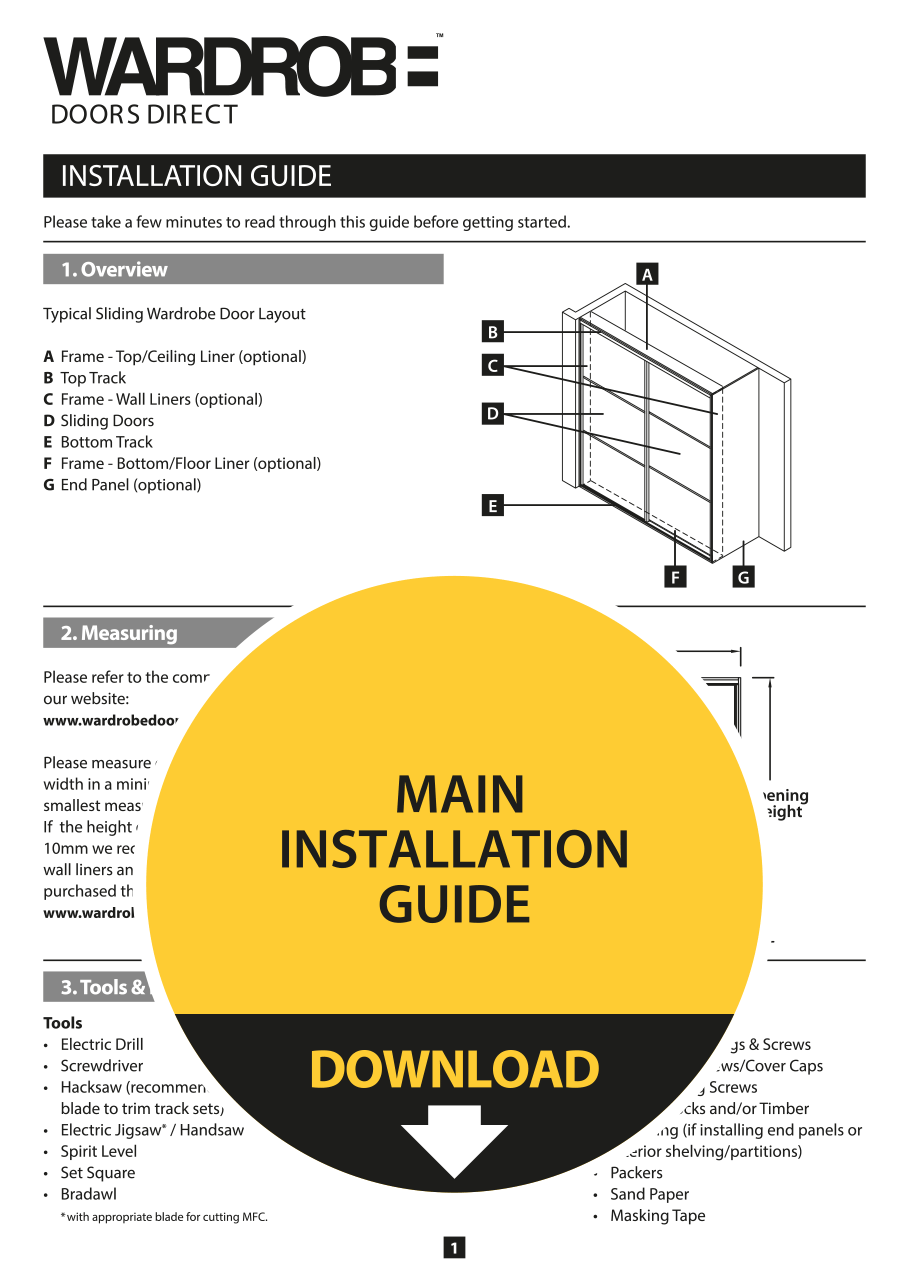
Typical Sliding Wardrobe Door Layout

A Frame - Top Liner (optional)
B Top Track
C Frame - Strike Plates (optional)
D Sliding Doors
E Base Track
F Frame - Bottom Liner (optional)
G End Panel (optional)

Sliding wardrobe door installation guide

2. Measuring

Please refer to the comprehensive measuring guide on our website:

www.wardrobedoorsdirect.co.uk/measuring-guide.html

Please measure carefully both the opening height and width in a minimum of three places. Please provide the smallest measurement for the height and the largest measurement for the width. If the height or width measurements vary by more than 5mm we recommend constructing a simple frame using strike plates and liners which can be purchased through our website:

www.wardrobedoorsdirect.co.uk/extra-items.html

Sliding wardrobe measuring guide

3. Tools & fixings you will need

Tools
• Electric Drill
• Screwdriver
• Hacksaw (recommended 42 tpi blade to trim track sets)
• Electric Jigsaw* / Handsaw*
• Spirit Level
• Set Square
• Bradawl
• Plumb Line
• Metal Drill Bits (4mm diam.)
• Wood Drill Bits (2mm diam.)
• Wood Drill Bits (4mm diam.)
• Masonry Drill Bits (8mm diam.)
• Countersink Drill Bit
• Tape Measure

Fixings / Materials
• Masonry Wall Plugs
• Wall and MFC Fixing Screws
• Cover Caps for Screws
• Corner Blocks and/or Timber Battening (if installing end panels or interior shelving/partitions)
• Packers
• Sand Paper
• Masking Tape


4. Constructing the frame

4.1 Planning the area

IMPORTANT - Before beginning construction check all relevant dimensions carefully. Check the area for water pipe and electric cables.

Planning the area for the sliding wardrobe door

4.2 Constructing a frame (optional)

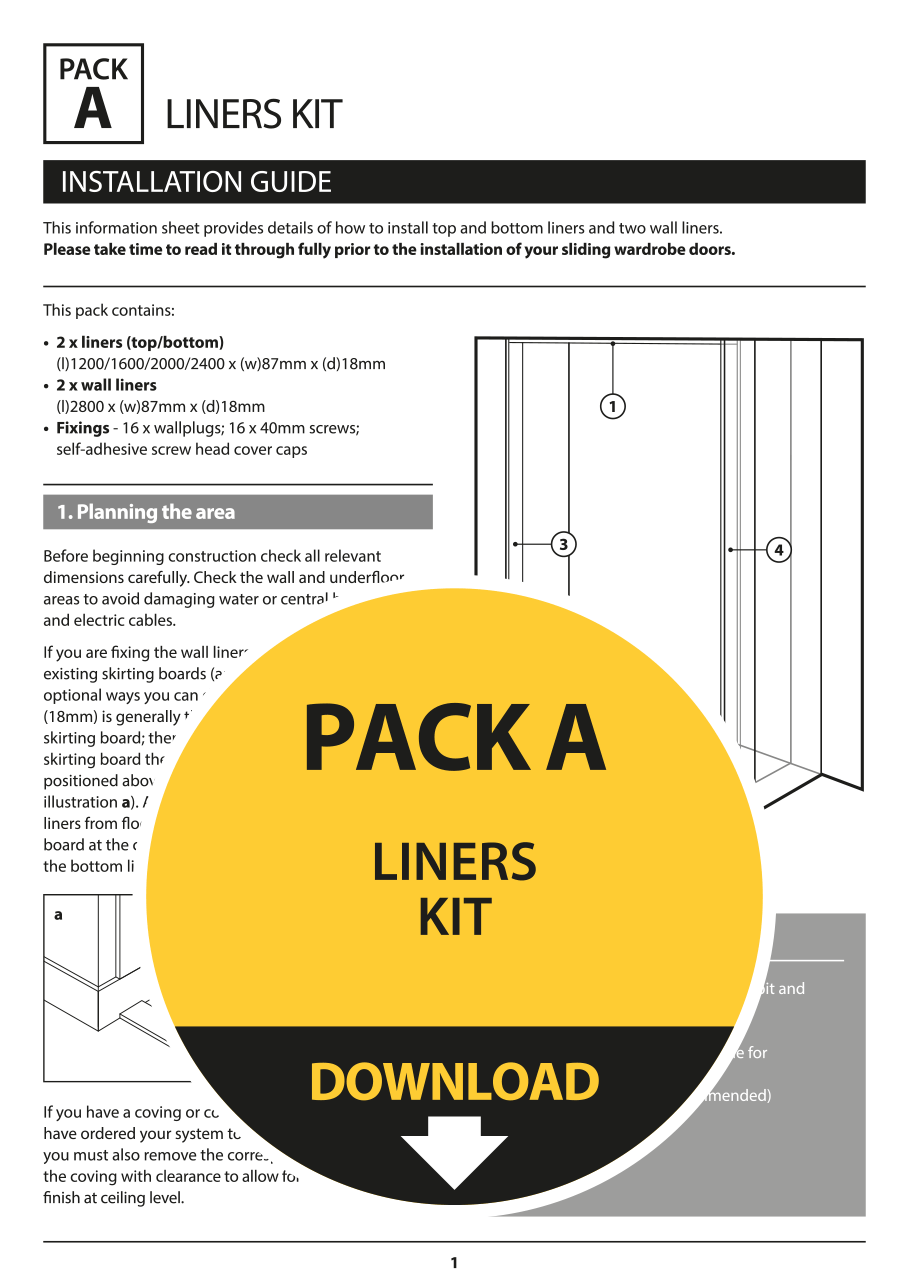
Constructing a frame will help with levelling, ease of fixing and will increase stability of the finished wardrobe. Strike plates and liners are available through our website in kits of 2, 3, 4, 5 or 6 pieces depending upon the size of wardrobe and your order. Any aperture wider than 2620mm will need two floor/ceiling liners butted together.

Note: For installations over carpet or where carpet is going to be laid we recommend you use the liner system.

TIP - When cutting the strike plates and liners to length use masking tape along the cut lines to prevent the laminate surface from chipping. Carefully remove the tape after you have finished cutting.

Check all levels before final fixing.

N.B. Strike plates and liners come oversized and will need to be cut down.

Sliding wardrobe door frame

4.3 Fitting an End Panel (optional)

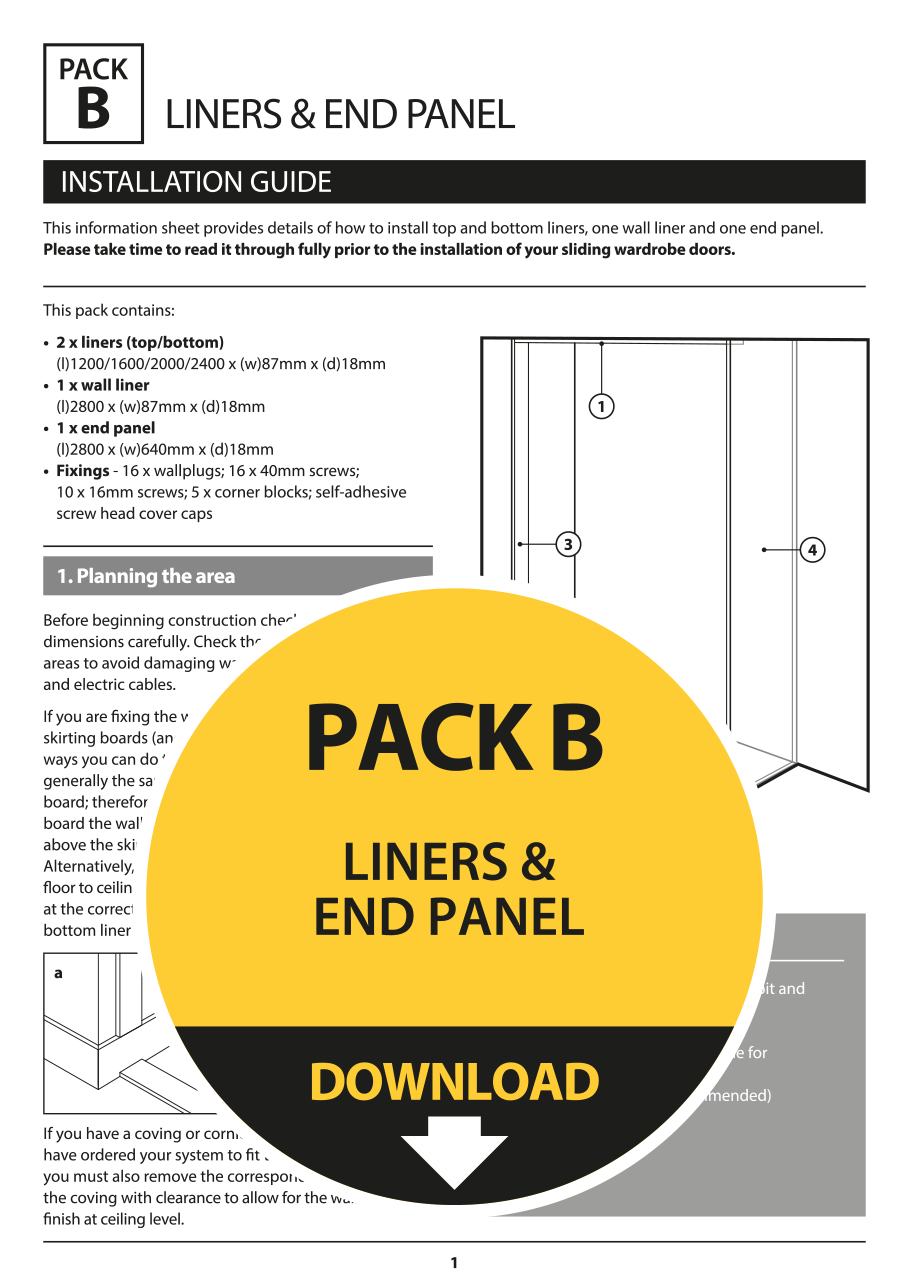
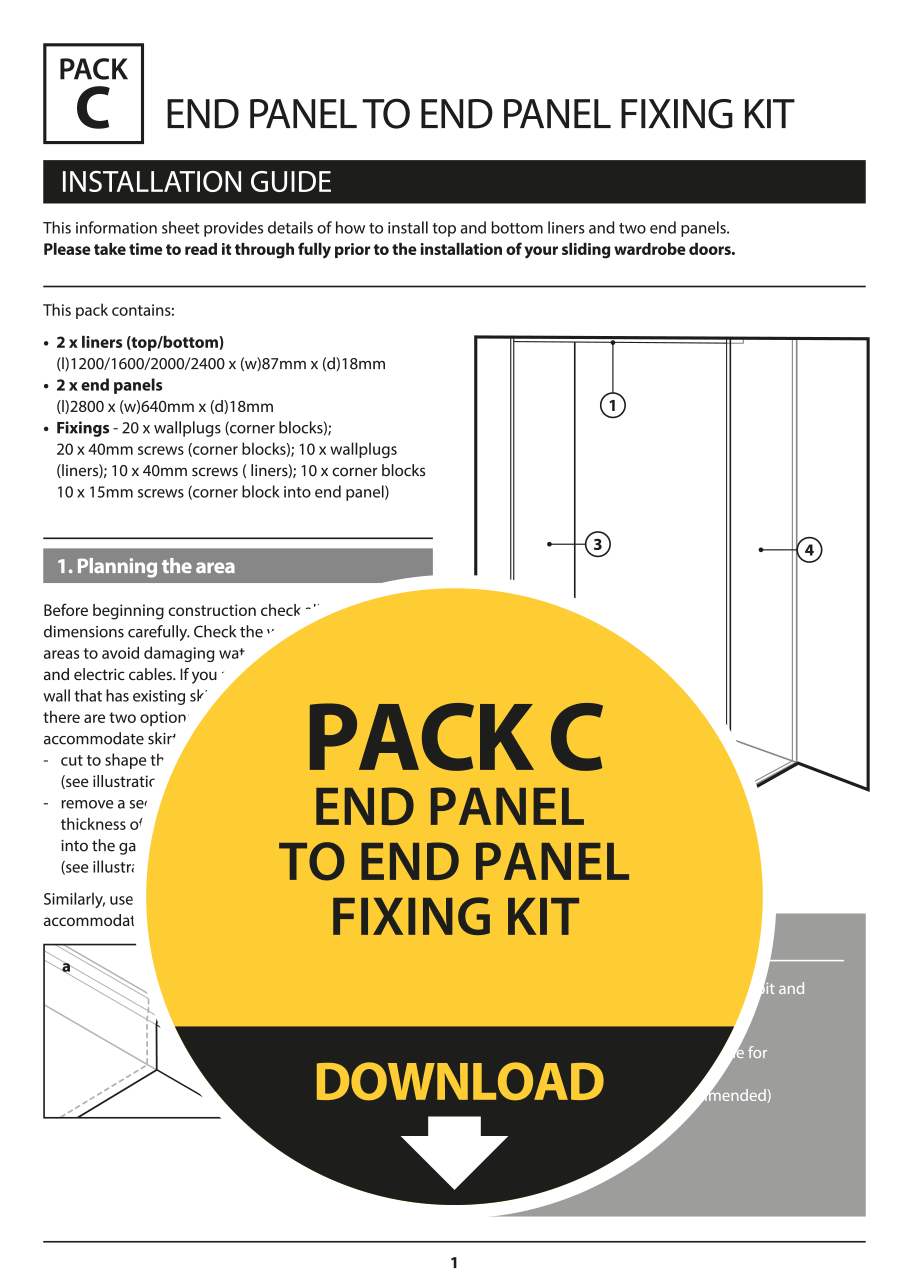
If you are not using the full width of an alcove, or constructing your wardrobe from a corner in the room, you will need to add an end panel. This can be attached to the floor, ceiling and back wall using fixing blocks, or with timber battening and screws. The end panel replaces the requirement for one of the strike plates and therefore needs careful positioning and cutting to size so that it fits flush with the ceiling and floor liners.

TIP - If you are creating a wardrobe which which will need a top panel adding (see 4.4), make sure the end panel is taller than the height of the frame by 18mm so that the top panel will fit flush with the top edge of the end panel - see top illustration.

N.B. End panels come oversized and will need to be cut down.

Sliding wardrobe door end panel

4.4 Fitting a Top Panel (optional)

If you are not using the ceiling of the room to create the ceiling of your wardrobe, you will need to add a top panel. This can be attached to the top liner, the side panel and back walls using fixing blocks, or with timber battening and screws.

TIP - If you are using screws to fix the top panel to the top liner of the frame, make sure the screw ends do not protrude through to the underside of the top liner as this will spoil the appearance and may prevent the top guide track being attached properly.

N.B. Top panels come oversized and will need to be cut down.

Sliding wardrobe door top panel

4.5 Full height End Panel and Ceiling Infill (optional)

As an alternative to a top panel, a ceiling infill panel can be used to make up the depth between the top of the frame and the ceiling of your room. This can be fixed to the top liner of the frame, the wall, end panel and ceiling using fixing blocks or with timber battening and screws. Liners (100mm width), or end panels (610mm width) cut down to size can be used to create infill panels, depending upon the height reduction required.

N.B. Ceiling infill panels come oversized and will need to be cut down.

Sliding wardrobe door ceiling infill

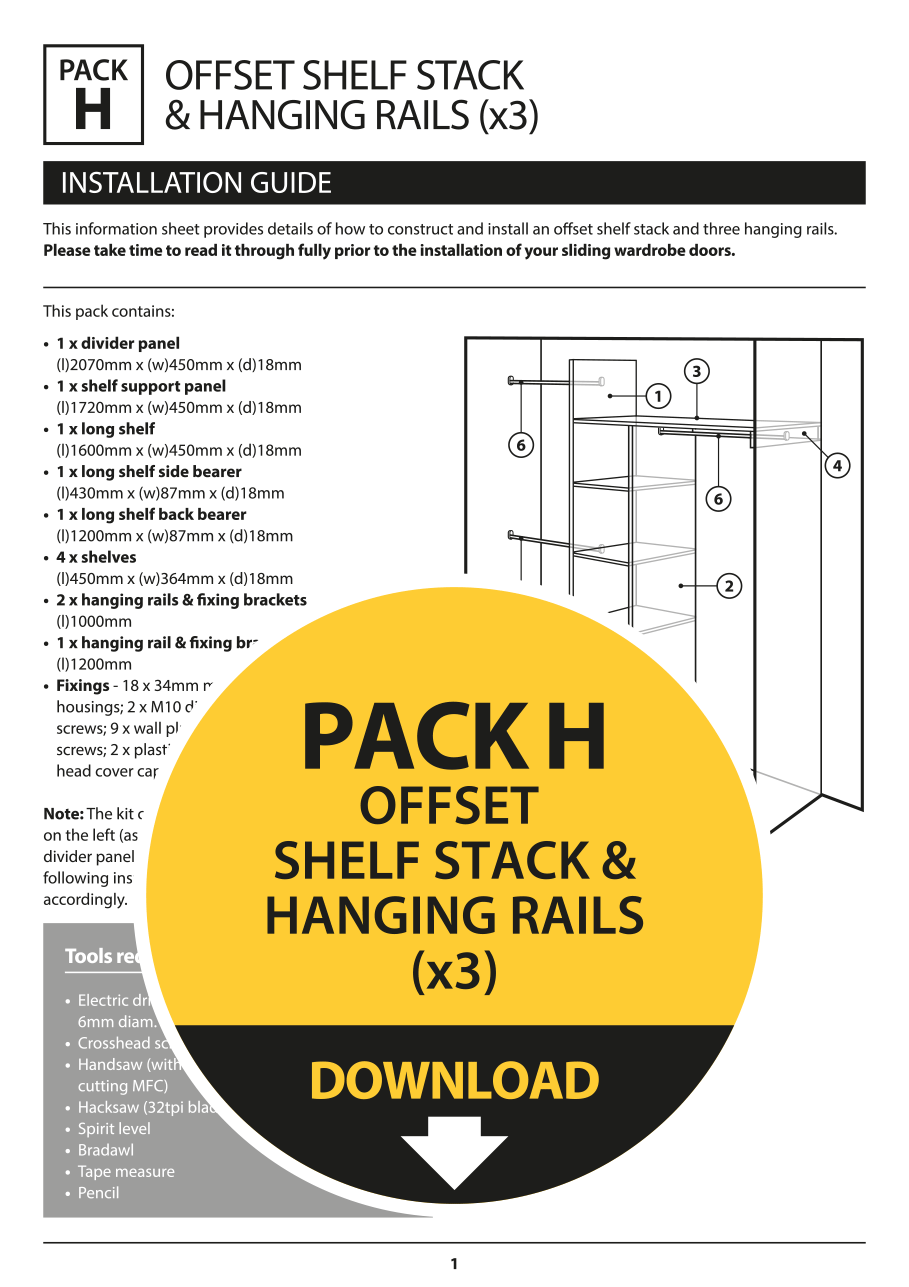
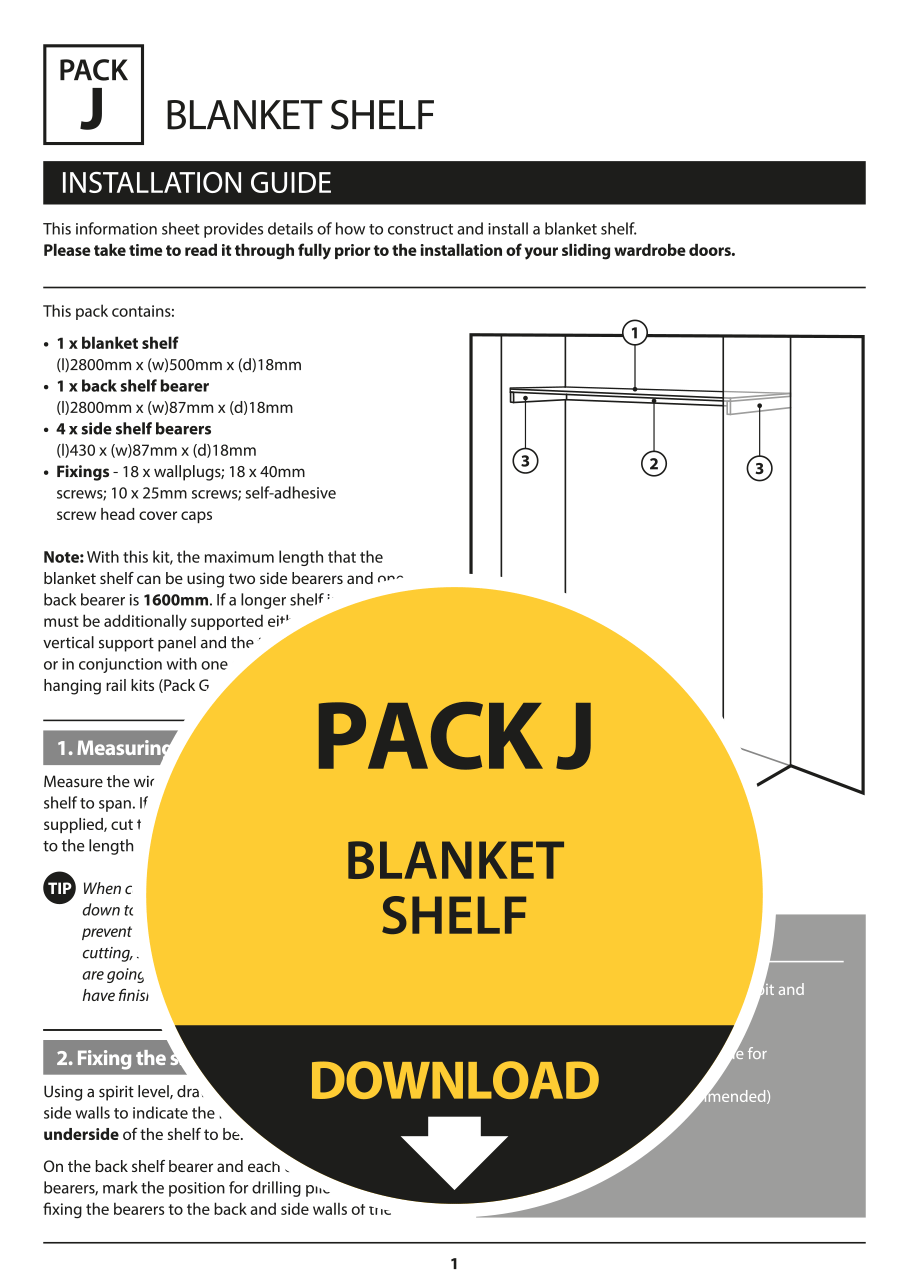
4.6 Internal fittings - vertical supports, shelves & hanging rails

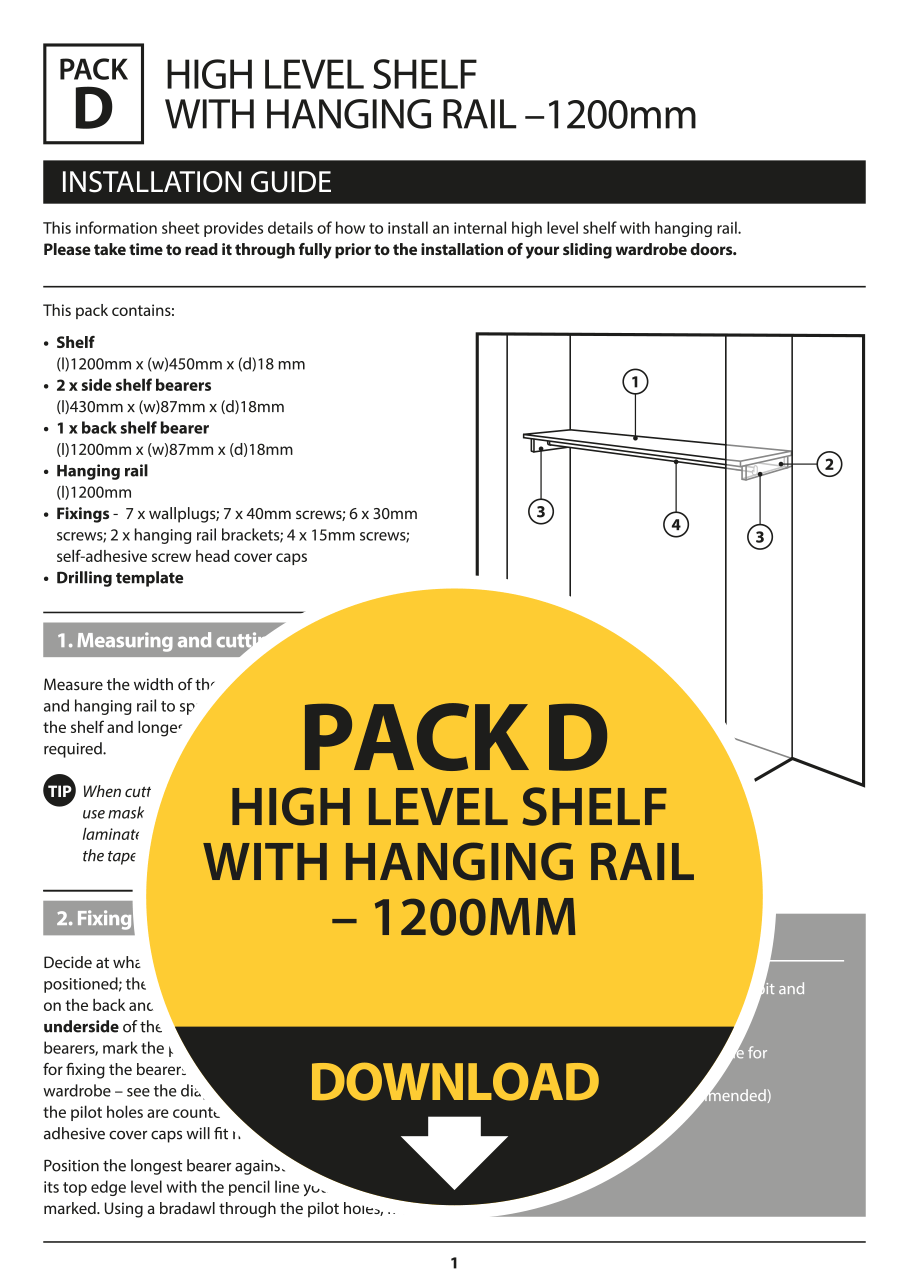
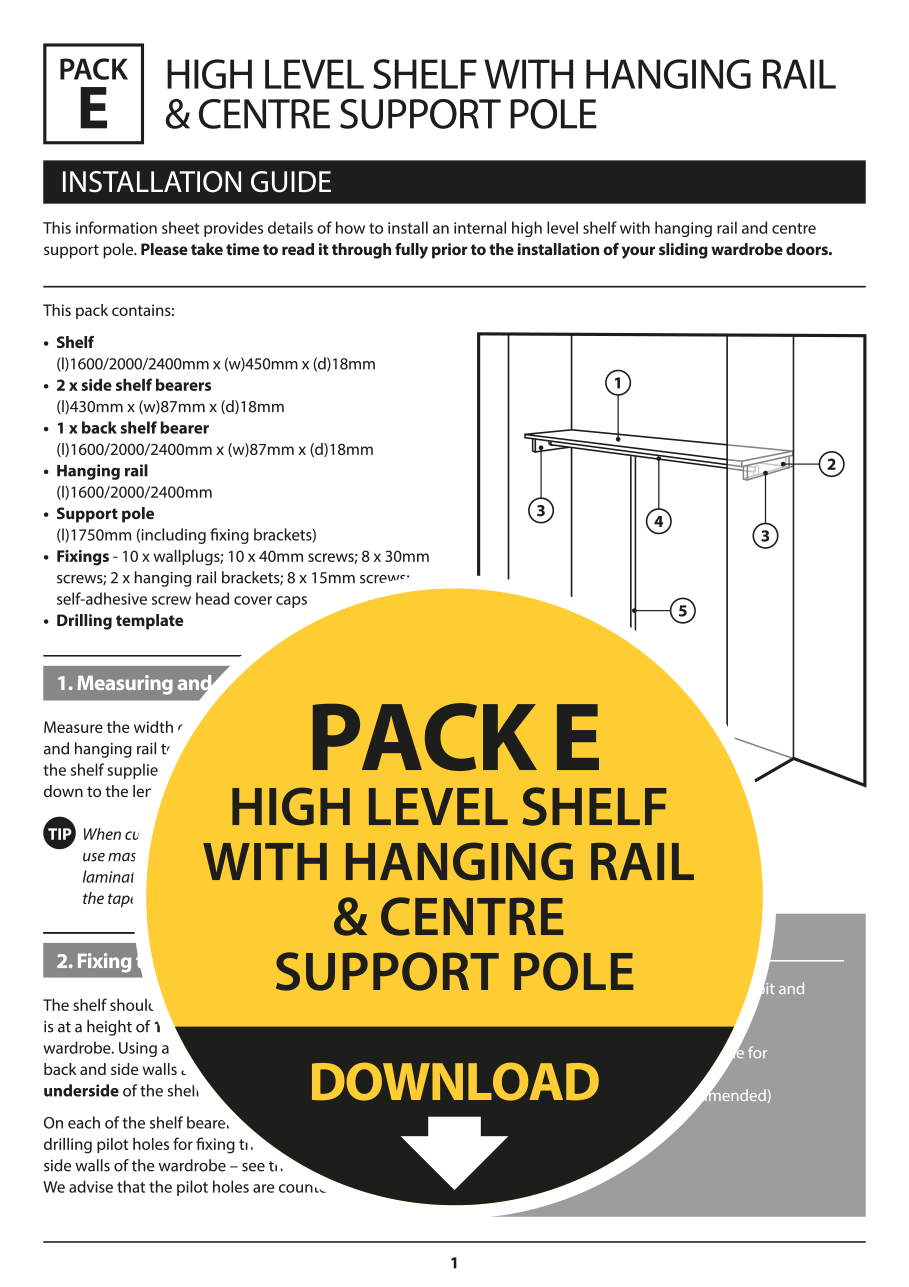
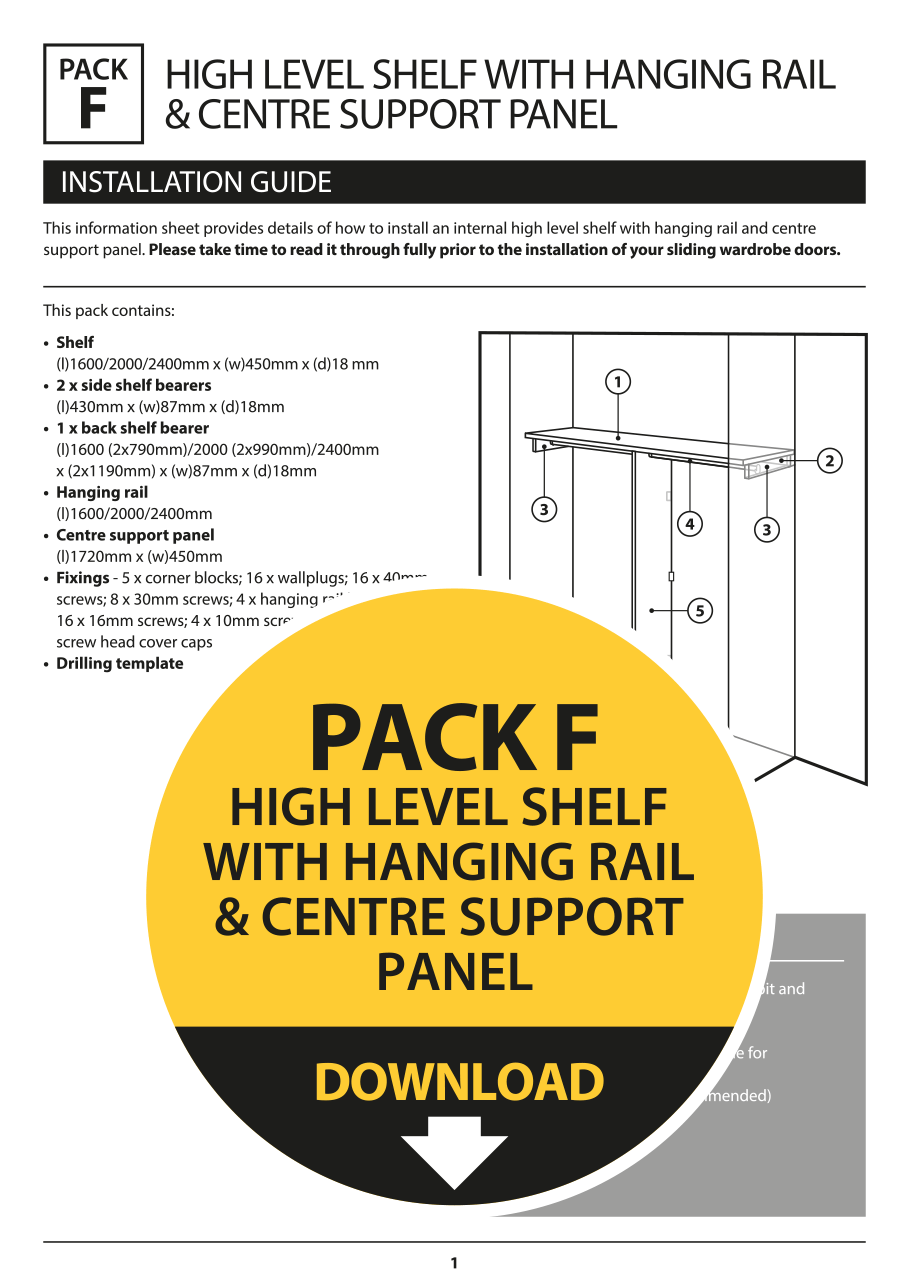
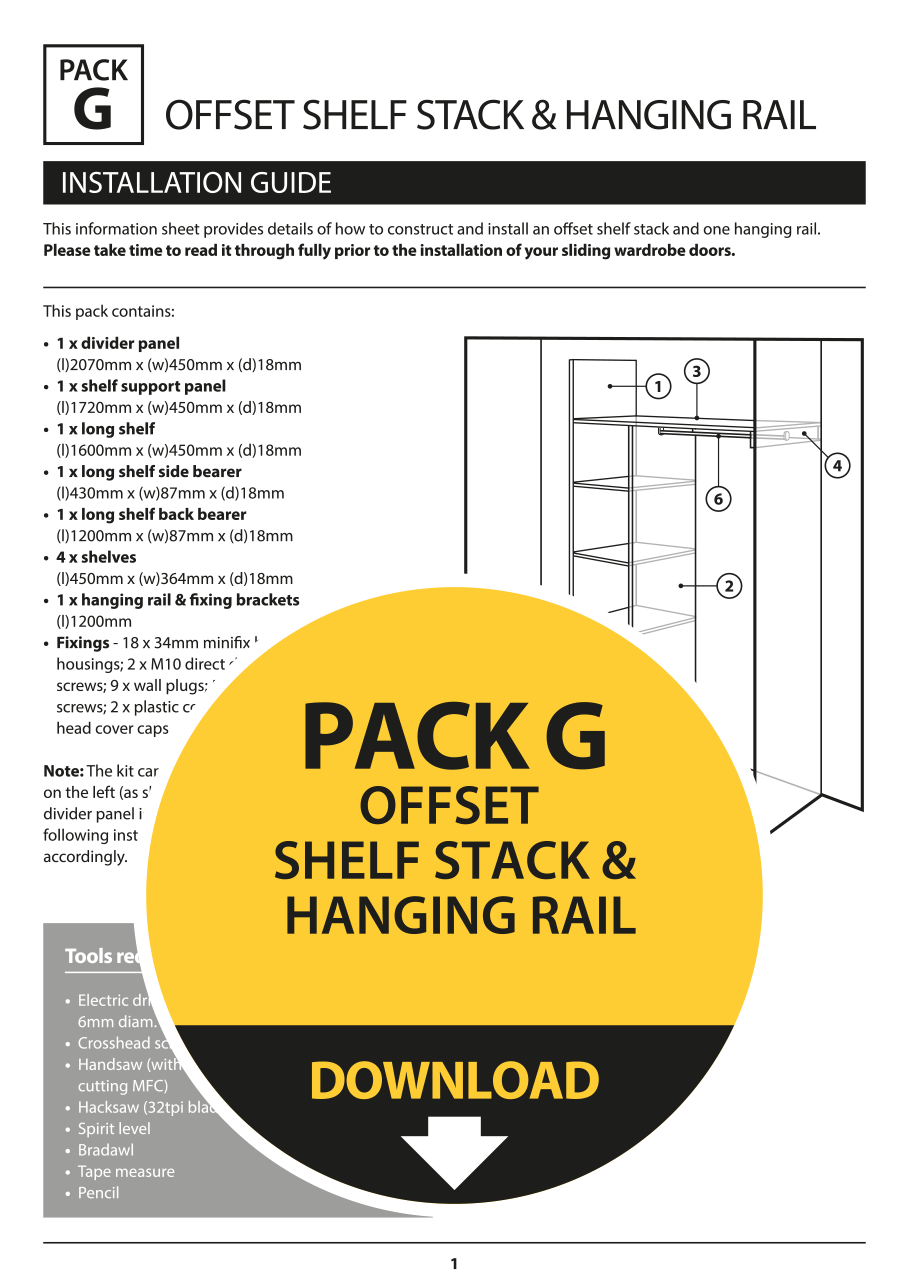
Vertical supports to support internal shelving must be fitted at intervals of no less than 1200mm. Set the vertical supports and shelving behind the profile of the frame. After checking the supports are perfectly vertical they should be fixed securely to the floor, the walls and ceiling using fixing blocks or with timber battening and screws. Shelving can then be attached to the walls, end panel and vertical supports using fixing blocks or with timber battening and screws.

N.B. All interior components come oversized and will need to be cut down.

Sliding wardrobe door interiors

4.7 Cutting the tracks

Carefully measure the width of your opening at the top and bottom. Deduct 2mm from each measurement and cut your top track and bottom track to the correct length with a hacksaw.

For positioning of tracks at Section A/A please see the next step 5.2.

TIP - To assist when cutting the top track insert 50mm x 38mm (2”x 1½”) wood blocks into each channel for support - see illustration below. To make it easier to mark the position for cutting and to prevent the saw blade skidding it is also advisable to wrap masking tape around the track before commencing cutting. Once the track has been cut, remove the tape.
Sliding wardrobe door tracks

4.8 Positioning and installing the bottom track

To ensure the correct positioning of the bottom track use a plumb line from the front edge of the top track and mark three points on the bottom liner (or floor). Draw a straight line through these three points using a rule. Depending upon whether your bottom track is steel or aluminium please refer to the appropriate section below for drilling and positioning.

Bottom track

a) Steel track

Position the bottom track 22mm behind the line you have marked (see illustration a). Mark on the bottom track, along the centre line where the screws will be fixed. Set the holes approx. 80mm from each end and space the remaining holes evenly at approx. 500mm intervals. Drill 4mm holes through the bottom track at the points you have marked and then mark these positions on the bottom liner (or floor) with the bottom track positioned on the line you drew in the step above. Fix the bottom track using the same method as used to fix the top track.

b) Aluminium track

Position the bottom track 16mm behind the line you have marked (see illustration b). Mark on the bottom track, along the centre line where the screws will be fixed. Set the holes approx. 80mm from each end and space the remaining holes evenly at approx. 500mm intervals. Drill 4mm holes through the bottom track at the points you have marked and then mark these positions on the bottom liner (or floor) with the bottom track positioned on the line you drew in the step above. Fix the bottom track using the same method as used to fix the top track.

Sliding wardrobe door positioning the tracks

4.9 Installing the doors

Note: Depending upon the material and size of your doors they can be very heavy. It is advisable to have another person to help you lift and install the doors.

Install the rear door(s) first. Tilt each door as shown and fully insert the top of the door into the rear channel of the top track (A). Taking care not to damage the bottom rollers, align them with the bottom track (B) and slowly lower the door, letting the rollers snap into the track grooves.

Repeat the process with the front door(s), using the front channel and front bottom track. For multi door systems alternate the doors on the tracks.

TIP - By default the bottom rollers are set to the lowest position so you may have to adjust these to raise the doors up. If the doors are set to the lowest position take care not to scratch the bottom track when testing the slide.

Installing the wardorbe sliding doors

4.10 Checking movement
Make sure the doors and tracks are positioned parallel and level. Check both doors travel smoothly along the entire width. Follow the next steps to make the final adjustments.

Sliding wardrobe doors smooth running

5. Adjustment

5.1 Steel frame - bottom roller

Make sure each door sits flush with the wall and/or other doors by raising and lowering the left and right sides of the door. The door level above the bottom track can be raised or lowered by adjusting the screw on the bottom rollers, using a screwdriver.

• To move the doors down - Turn clockwise

• To move the doors up - Turn anti-clockwise

Sliding wardrobe door steel frame adjustment

5.2 Steel frame - top roller

Generally, the top rollers should not require any adjustment. However, they can be adjusted if required by sliding the pin up or down in the slot.

Sliding wardrobe door steel frame adjustment

5.3 Aluminium frame - bottom roller

The bottom roller can be adjusted using the allen key provided by turning the adjustment bolt through the hole in the side profile.

• To move the doors down - Turn clockwise

• To move the doors up - Turn anti-clockwise

• After adjustment, plug the hole with the plastic hole covers provided.

Sliding wardrobe door Aluminium Frame adjustment

6. Fixing the door positioners

With the doors closed scribe in pencil a centre line on the top track where the door roller rests. Place the door positioner central to this line. Use a self tapping screw to fix in position inside the top track against the central divide.

Sliding wardrobe door positioners
Bespoke design service for sliding wardrobe doors

REQUIRE A BESPOKE LOOK?

We offer a custom design
service at NO extra cost.

Sliding wardrobe doors design service

10 YEAR GUARANTEE

more

HOME DELIVERY

more

PRICE MATCH

more

MEASURING GUIDE

Follow these simple guidelines to get the perfect fit for your sliding wardrobe doors.

Sliding wardrobe door measuring guide

INSTALLATION GUIDE

The sliding wardrobe doors are very easy to install so you don’t have to be a DIY expert.

Sliding wardrobe door installation guide

REQUEST A SAMPLE

Request FREE samples to help with the design process and colour matching.

Request a sliding wardrobe door colour samplen