REQUIRE A BESPOKE LOOK?
We offer a custom design
service at NO extra cost.

When you compare sliding wardrobe doors online, it’s easy to focus on style, colour, and price. However, the biggest differences between products are usually in how they fit, how they are made, and how they perform over time. This guide explains what to look for when comparing sliding wardrobe doors online, helping you make a confident and informed decision based on quality, construction, and long-term performance.
Before choosing, focus on:
Standard sizes can work in certain situations, but they rarely provide a precise fit—especially in older UK homes. If you’re considering this option, it’s worth understanding the limitations of standard size wardrobe doors.
Made-to-measure doors are typically the best option for achieving a precise fit and a more professional finish.
If your space isn’t perfectly square (which most aren’t), made-to-measure will give a noticeably better result.
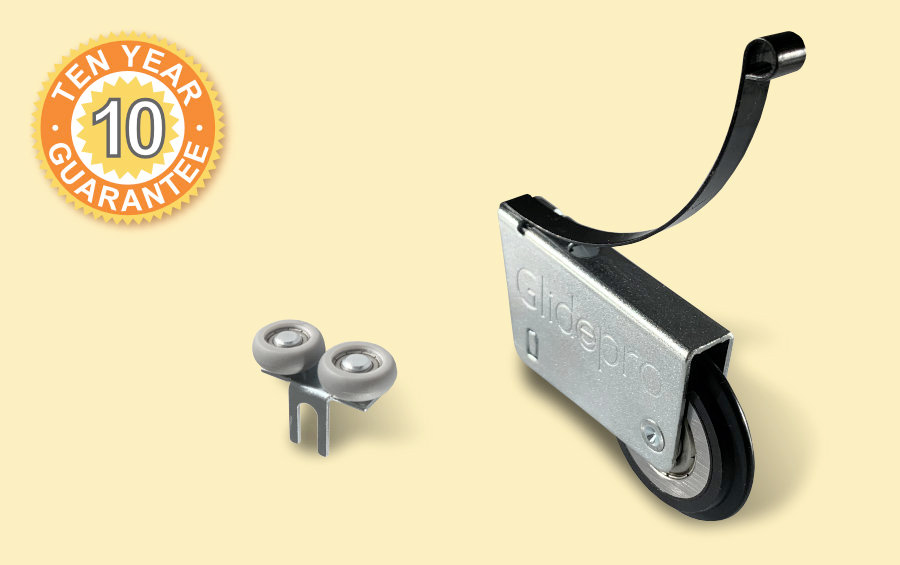
You can learn more about how sliding wardrobe door wheels affect performance and longevity.
Ball-bearing wheels are one of the clearest indicators of a high-quality sliding system.
The panels define both the appearance and durability of your doors.
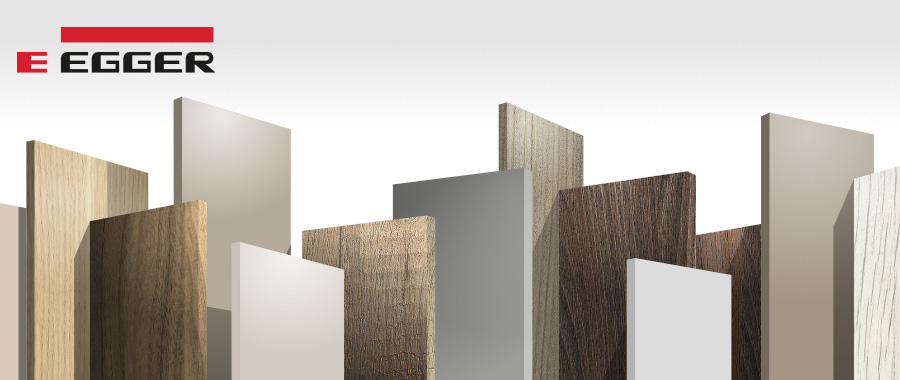
MFC panels are widely used for their durability and range of finishes. High-quality options are typically manufactured using melamine-faced chipboard (MFC) from leading suppliers such as EGGER, ensuring consistent finish and long-term performance.
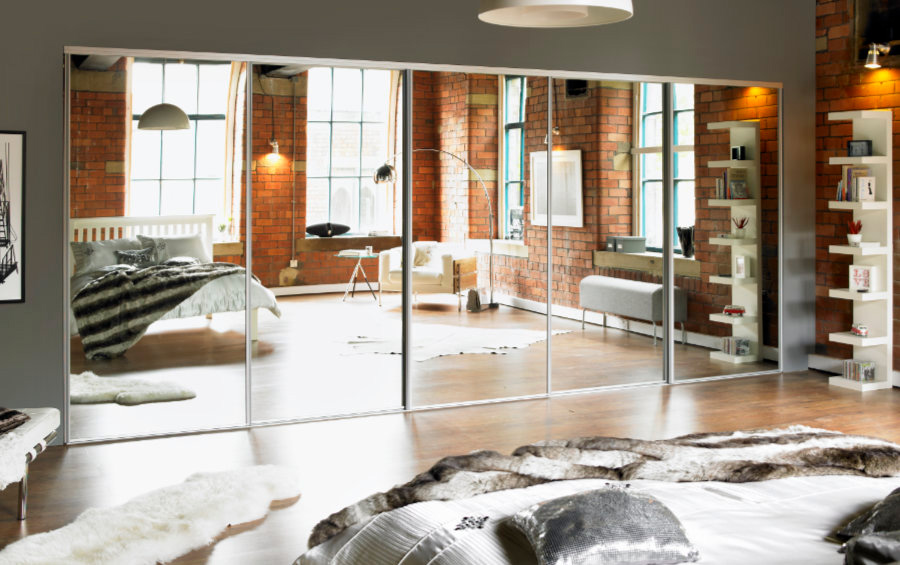
Mirror panels help reflect light and make rooms feel larger. When comparing options, look for clear, distortion-free reflection and safety backing. These are typically manufactured using 4mm thick mirror glass.
Glass panels provide a clean, modern finish and should be smooth, consistent, and manufactured from 4mm safety-backed glass.
Always check glass thickness and safety backing—these are key indicators of quality.
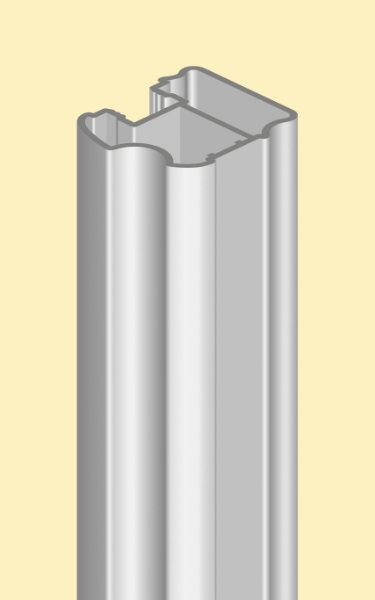
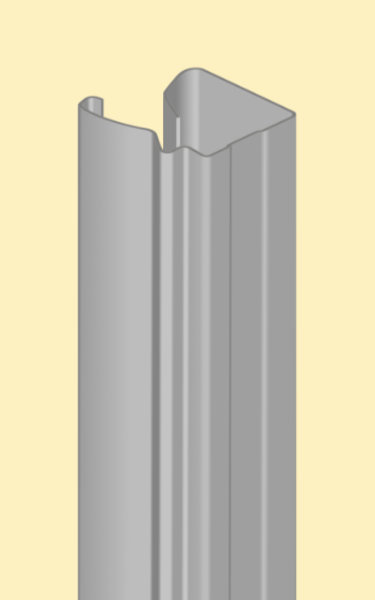
Frame construction affects both appearance and performance.
For a more detailed breakdown, see our guide to steel vs aluminium wardrobe door frames.
Aluminium frames are generally better suited for larger openings and frequent use.
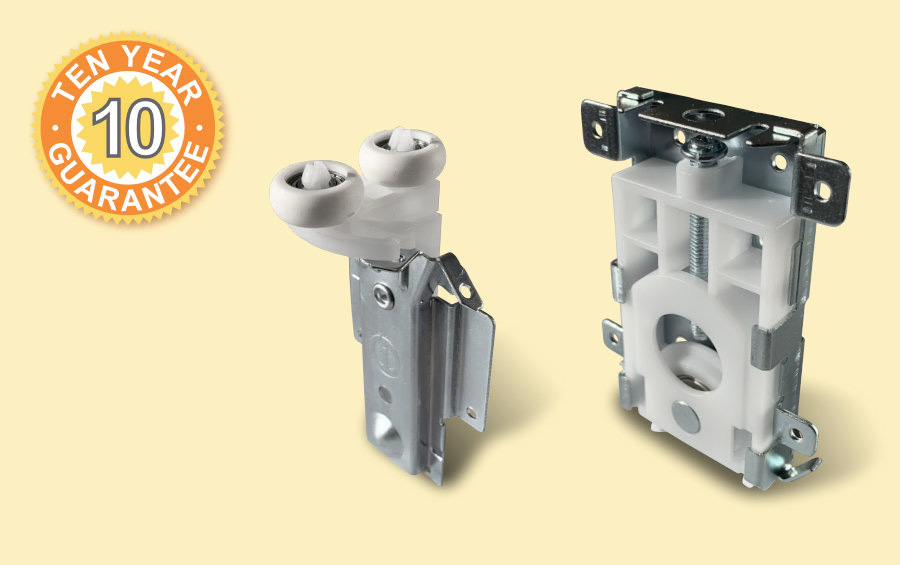
The running system has the biggest impact on day-to-day performance.
A well-engineered system will typically include:
This type of system is widely used because it offers greater stability and smoother operation compared to lighter-duty alternatives.
For more detail, see how sliding wardrobe door wheels influence performance.
Most sliding wardrobe doors are designed to be DIY-friendly, but preparation is key.
Check:
Preparing properly helps ensure a better fit and smoother installation.
For installation requirements, see our installation guide.
A guarantee provides a strong indication of quality.
For example, a 10-year guarantee reflects confidence in durability and long-term reliability.
When comparing options, it’s important to consider overall value—not just upfront cost.
It’s common to compare options based purely on headline price, but not all sliding wardrobe doors are like-for-like. Some lower-cost options may exclude tracks, running gear, or full system components, making direct comparisons misleading.
Sliding wardrobe doors may look similar online, but the systems behind them can vary significantly. Differences in running gear design, materials, and construction all affect how smoothly the doors operate and how long they last.
The running system has the biggest impact on performance, yet it’s often not clearly shown or explained. Systems without proper ball-bearing wheels or engineered components can result in noisier operation and reduced durability over time. For a closer look at how this affects performance, see our guide to sliding wardrobe door wheels.
Two doors can appear identical online but be made from very different materials. Panel construction, glass thickness, and safety backing all influence durability, consistency, and long-term performance.
Standard-size and made-to-measure doors are fundamentally different. Standard doors often require adjustments to your space, while made-to-measure doors are designed to fit precisely, resulting in a cleaner finish and easier installation.
While style is important, long-term performance depends on what’s behind the design. Smooth operation, noise levels, and durability are determined by the quality of the materials and components used.
Yes, by reviewing specifications, materials, and installation guidance carefully.
No. Some systems use lighter-duty top-guided designs, but most high-quality systems use bottom-rolling mechanisms for improved stability and smoother operation.
This varies by supplier. Some lower-cost options may not include tracks or full systems, so it’s important to check what is included before comparing prices.
Yes, they provide a better fit, improved finish, and reduce the need for adjustments—especially in uneven or non-standard spaces.
Yes, most systems are designed for DIY installation with the right preparation and guidance.
When you compare sliding wardrobe doors online, the key differences come down to fit, materials, and how the system is engineered.
Made-to-measure sliding wardrobe doors combined with high-quality components offer the best balance of performance, durability, and long-term value. If you're ready to move from comparing options to planning your own solution, you can design your made-to-measure sliding wardrobe doors and explore layouts, finishes, and configurations tailored to your space.
Seeing finishes in your own space makes it easier to choose. You can:
Our guides are created by the Wardrobe Doors Direct design and technical team, specialists in made-to-measure sliding wardrobe doors and internal storage systems across the UK.
Call our team on 0800 035 1730.

We offer a custom design
service at NO extra cost.
Follow these simple guidelines to
get the perfect fit for your sliding
wardrobe doors.
The sliding wardrobe doors are
very easy to install so you don’t
have to be a DIY expert.
Request FREE samples to help
with the design process and
colour matching.